10 October 2026
Cloudy periods. Isolated showers, clearing this evening as northerlies die out.
Loading outdoor place details…
Lake Tarawera Scenic Reserve
Meander your way through bush from Te Wairoa to Hot Water Beach Campsite. Stay overnight or book a water taxi to The Landing.
Distance
15 km
Walking time
5-6 hr
Difficulty
Advanced
Dogs
Not allowed
Wheelchair access
Not marked friendly
Current status
No active alerts found. Conditions can still change, so check again before leaving.
Weather outlook
Issued 10 Oct 2026, 4:55 pm
10 October 2026
Cloudy periods. Isolated showers, clearing this evening as northerlies die out.
11 October 2026
Showers, possibly heavy, clearing in the afternoon with increasing fine spells. Northerlies, turning westerly in the afternoon.
12 October 2026
A few showers. Northwesterlies, dying out in the evening.
13 October 2026
Partly cloudy, with isolated showers in the afternoon. Westerlies developing in the morning.
14 October 2026
A few showers. Northwesterlies developing in the morning.
Regional guidance only; elevation and terrain can produce different conditions.
Explore the area
Explore the track route and surrounding area before you set out.
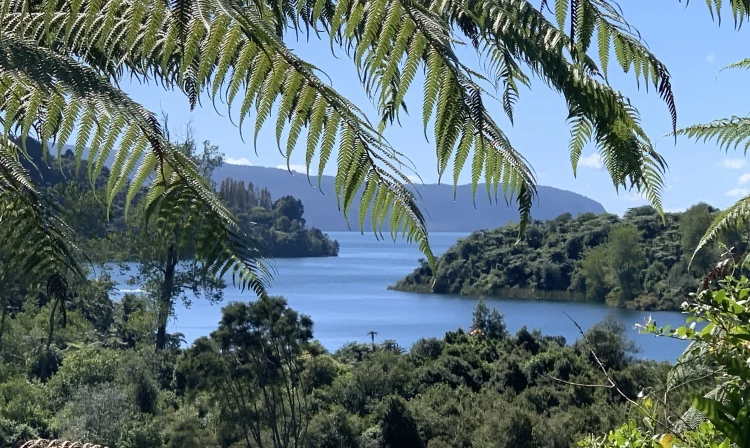
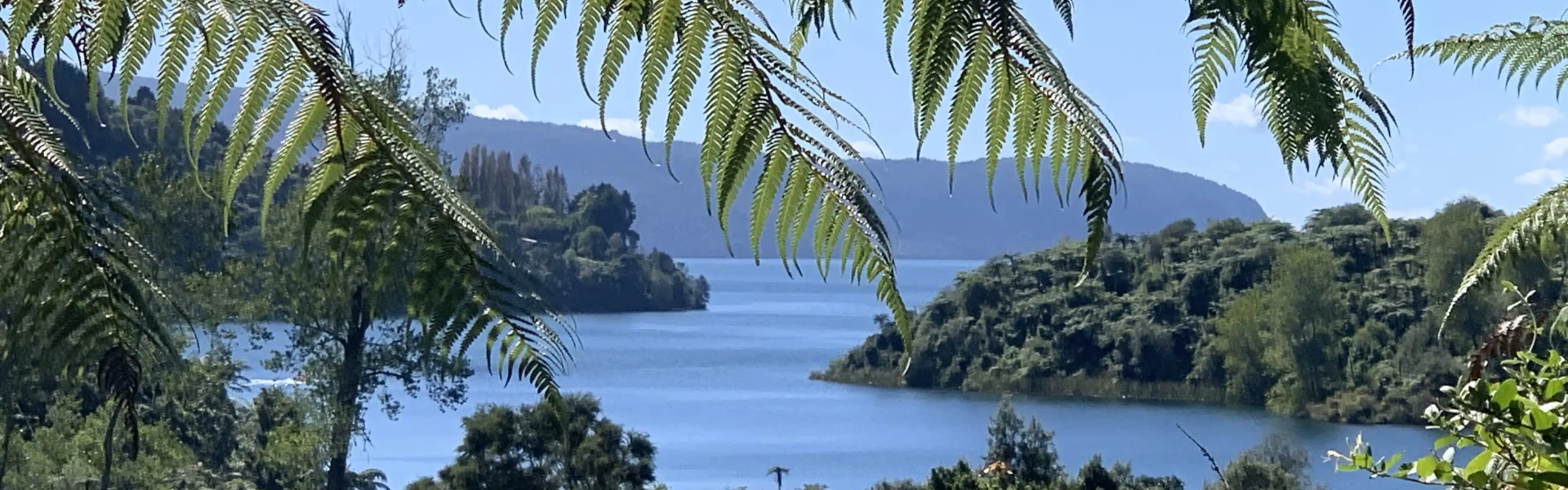
Time required : 5-6 hr one way Once devastated by the 1886 Tarawera eruption, the Tarawera Trail represents a return of the people to their land and the birthplace of tourism in New Zealand. The track begins at Te Wairoa car park, off Tarawera Road, with opening views of beautiful Lake Tarawera. Follow the lake side trail through Katukutuku Bay and, 5 km into the trail, stop at Hawaiki Bay to enjoy lake access and a picnic area with toilet facilities. The track continues with intermittent climbs, through lakeside bushland into Te Hinau Bay, passing over Twin Streams cold springs. After an uphill climb to reach the Rotomahana lookout point, descend into Te Rata Bay to enjoy a soak at Hot Water Beach, but be careful - localised patches of sand are very hot.
A short section of this track suffers from occasional rockfall. Do not stop on the track between the signposts indicating this hazard. Water collected from the lake or streams may contain the naturally occurring chemical arsenic, commonly found in volcanic and geothermal areas. It is recommended you bring your own water. Dogs, horses, vehicles (including bicycles and motorbikes), fires, removal of plants or animals and hunting are not permitted along the trail. Do not overestimate your capabilities. Consider booking a campsite or a water taxi rather than attempt to walk the trail in both directions in one day if you are not an experienced walker. Mobile phone coverage is limited. This could mean a delay in contacting emergency services should the need arise. Carry a first aid kit and plenty of drinking water.
Hot Water Beach Campsite
The trail starts at Te Wairoa car park on Tarawera Road, an easy and scenic 15-minute drive from Rotorua past Blue Lake (Tikitapu). Use this location in Google Maps to find your way there. A water taxi is available to ferry passengers from the end of the track at Hot Water Beach to Tarawera Landing, approximately 5 km from Te Wairoa carpark - make your own arrangements between the landing and the carpark. The gate to the car park will be open during daylight hours only. If walking the track in reverse, the water taxi can also ferry walkers from Tarawera Landing to Hot Water Beach. Pre-booking the water taxi in either direction is essential . https://www.totallytarawera.com/tarawera-trail/ (opens in browser)
We encourage you to continue gaining the skills and knowledge required for a safe trip. The NZ Mountain Safety Council has lots of free resources and information you can use. These can be accessed via www.mountainsafety.org.nz . We recommend trying these online learning tools: Trip Planning Tramping / field Skills Basic Navigation River Safety Additionally, check out the range of helpful videos available from the NZ Mountain Safety Council YouTube channel .
No dogs.
Track information, access and weather can change. Confirm current alerts and land-manager information close to departure, tell someone your plans, and carry equipment appropriate for the route and conditions.