10 October 2026
Showers developing this morning, possibly heavy inland from afternoon, turning to rain at night. Northeasterlies developing this morning.
Loading outdoor place details…
Abel Tasman National Park
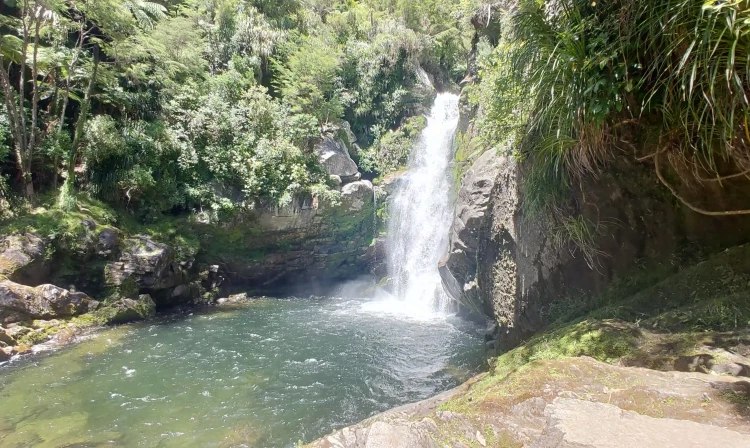
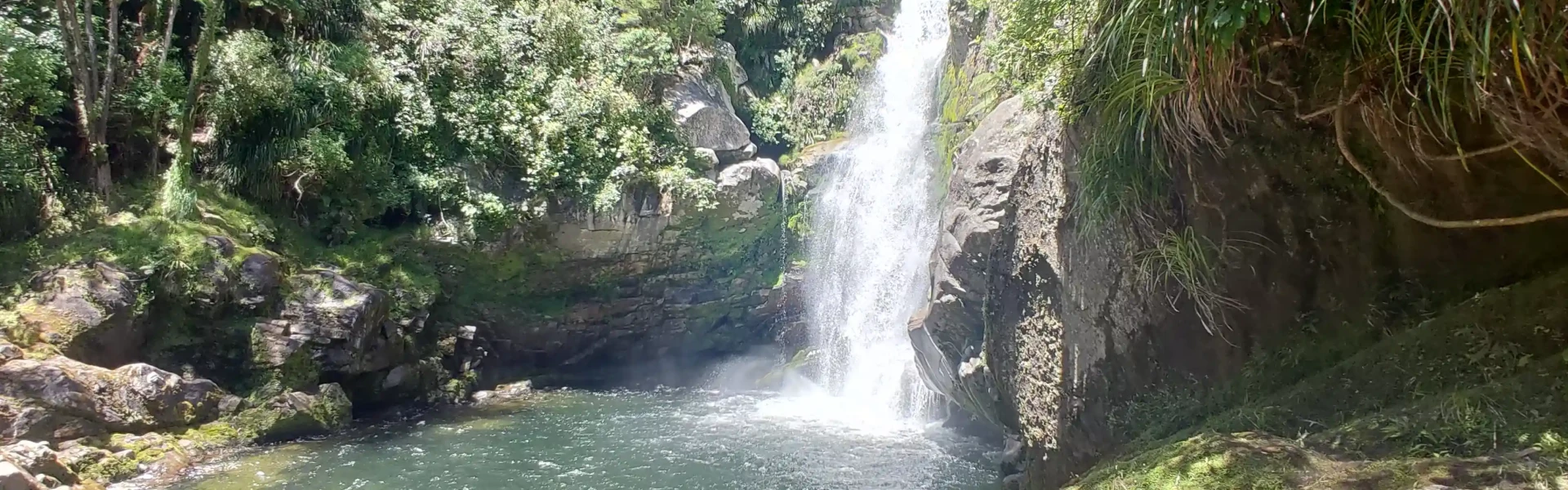
A short walk through lush native bush leads to the cascading Wainui Falls, the largest and most accessible falls in Golden Bay/Mohua.
Distance
3.4 km
Walking time
1 hr return
Difficulty
Easy
Dogs
Not allowed
Wheelchair access
Not marked friendly
Current status
No active alerts found. Conditions can still change, so check again before leaving.
Weather outlook
Issued 10 Oct 2026, 10:55 am
10 October 2026
Showers developing this morning, possibly heavy inland from afternoon, turning to rain at night. Northeasterlies developing this morning.
11 October 2026
A few showers clearing to fine in the afternoon. Northerlies, dying out in the afternoon.
12 October 2026
Fine, but becoming mostly cloudy with isolated showers in the evening. Northerlies developing for a time in the afternoon.
13 October 2026
Occasional rain clearing in the afternoon, then partly cloudy. Light winds.
14 October 2026
Occasional rain, with some heavy falls. Northerlies, turning westerly in the afternoon.
Regional guidance only; elevation and terrain can produce different conditions.
Explore the area
Explore the track route and surrounding area before you set out.
Warning: There are fast-flowing streams and unfenced steep drops on this track. Children must be supervised at all times. The track begins with a short section across farmland. An unbridged stream must be crossed using stepping stones at normal flow levels so expect wet feet. After heavy rain the stream can flood and become impassable. Do not attempt to cross if the water is high. Beyond the stream, the track enters lush forest with nīkau palms, rātā trees, and ferns. It follows the Wainui River, climbing past large granite boulders with steep drop-offs along the way. A highlight of the walk is a suspension bridge. Look below and you might spot old logs piled up from previous floods. You’ll hear the waterfall before you see it. The track ends at a viewing area overlooking the pool and falls. The rocks near the water are steep, slippery, and the current is strong. Stay on the track and enjoy the view from there. There is no barrier, so keep children close. The viewpoint can flood when the river is high. Return to the Wainui Bay car park the same way. This track is popular and can be crowded in summer. Autumn is a great time to visit; it's quieter, but still warm.
There can flooding, pick a dry day for your walk There is an unbridged stream crossing on this track. It can flood and become impassable during or after heavy rain. Assess the stream carefully before crossing and do not cross unless you are sure it is safe. The waterfall lookout area can also flood and be underwater. The track is best walked in dry weather and not during or immediately after heavy rain. Rockfall risks and steep drops Rocks can fall onto the track from the steep hills above. This can happen at any time but is likely more common during or after heavy rain. There are steep drops beside the track, some without barriers. Take care at all times and be extra careful in wet weather. There are slippery, unfenced rocks leading down to the water at the track end. Supervise children Always keep children within arm’s reach on this track as there are fast-flowing streams and steep drops.
The track begins from a car park at Wainui Bay – look for the signpost about 300 m after crossing the Wainui River Bridge. Use this location on Google Maps to help find your way there.
We encourage you to continue gaining the skills and knowledge required for a safe trip. The NZ Mountain Safety Council has lots of free resources and information you can use. These can be accessed via www.mountainsafety.org.nz . We recommend trying these online learning tools: Trip Planning Tramping / field Skills Basic Navigation River Safety Additionally, check out the range of helpful videos available from the NZ Mountain Safety Council YouTube channel
No dogs.
Track information, access and weather can change. Confirm current alerts and land-manager information close to departure, tell someone your plans, and carry equipment appropriate for the route and conditions.